Habitat
Waters I've had the good fortune to fish.
Where to Find Trout
Look for a dramatic change in their habitat. There, you are likely to find trout along the edge of that change. Look for structure such as jagged points, large rocks, steep drop-offs, and submerged trees. Look for change in the water current. Fast to slow or a current seam. You might find a feeder stream trickling into a lake or larger river. This steam may provide additional food or oxygen to trout. These trout will face upstream and hold in slower water waiting for insects to float by.
Native Trout Waters of California
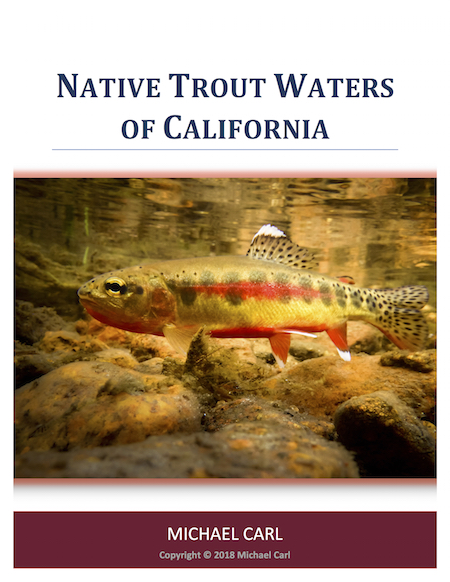 California is home to 11 unique kinds of native trout, and you'll find descriptions for seven of these trout and where they live in the pages of my newly updated eBook - Native Trout Waters of California.
Whether your goal is completing the California Heritage Trout Challenge, or just finding some of the Sierra Nevada's most scenic stretches of water to wet a line, Native Trout Waters of California will help you reach your goal. Read More...
Fly Fishing the Sierra Nevada
The Sierra Nevada is one of California's most beautiful and diverse landscapes. From the foothills to the summit to the dramatic slope down along the east-side, there are vast opportunities for the angler.
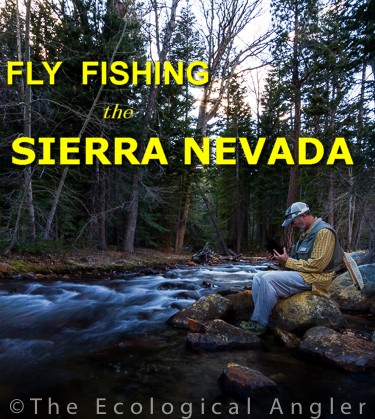
Trout live in coldwater and the Sierra Nevada provides one of North America's premiere coldwater fisheries. The Sierra Nevada and adjacent Great Basin hold a variety of trout species which inhabit the hundreds of streams, ponds, and lakes found throughout this vast range.
Yosemite Wild & Scenic Fly Fishing
Stream Habitat
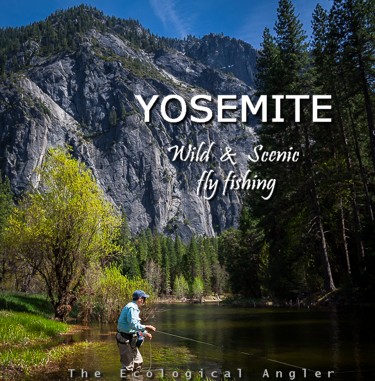
When trout are not feeding, they are likely hiding under currents, near the bottom of deep pools, under cut blanks around the shore, or behind structure such as logs or boulders. When they are feeding, trout in a stream move to where the food comes to them. Common places are eddies, along weedbeds, behind boulders, and at the tailouts of pools.
Lake Habitat
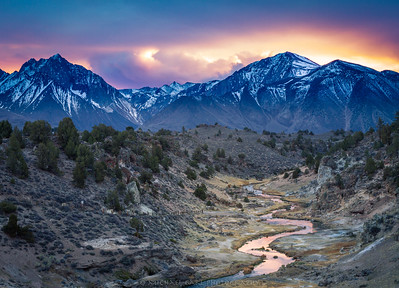
Trout living in lakes must move in search of food. When they are cruising you find them along weedbeds and typically closer to the surface around structured shoreline. On ocassion, trout cruise just below the surface to gulp down aquatic insects.
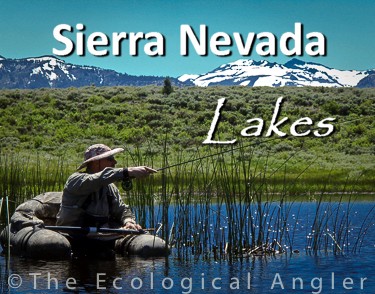
Click on the above image for additional pointers to fly fishing backcountry lakes in the Sierra Nevada.
Fly Fishing California Surf
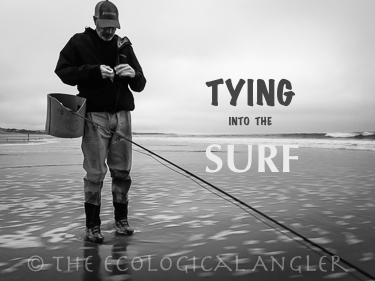
Fly fishing the California Surf is similar to what they say about mountain trout streams - fish don't live in ugly places! Looking out on the horizon while stirpping a fly, can also be addictive. Click on the above image for additional pointers to fly fishing California's amazing surf.
Restoring Native Trout & Salmon Streams
 You might ask: Why is Restoring Habitat Important to California's Fisheries?
Or, maybe you might want to learn about other major habitat restoration efforts:
You might ask: Why is Restoring Habitat Important to California's Fisheries?
Or, maybe you might want to learn about other major habitat restoration efforts:
Restoring Streams for Coho Salmon
With the possible exception of the small population in the Lagunitas Creek watershed, Central California coast coho are on the verge of extinction. The most important factor for these coho's survival is to protect and enhance their spawning and rearing habitat within their native coastal streams.
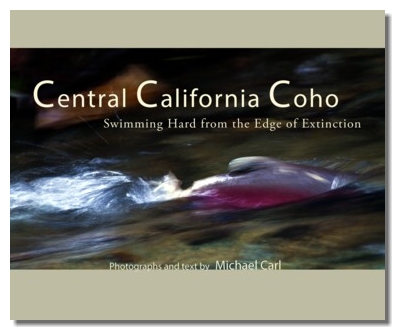
To understand both the challenges to their survival and the recovery efforts, writer and photographer, Michael Carl, travels up and down California's Central Coast exploring their natal streams, talking to scientists and fishermen, and working alongside fisheries managers at a conservation hatchery. (Click on the Book Cover above to preview or purchase a copy.)
